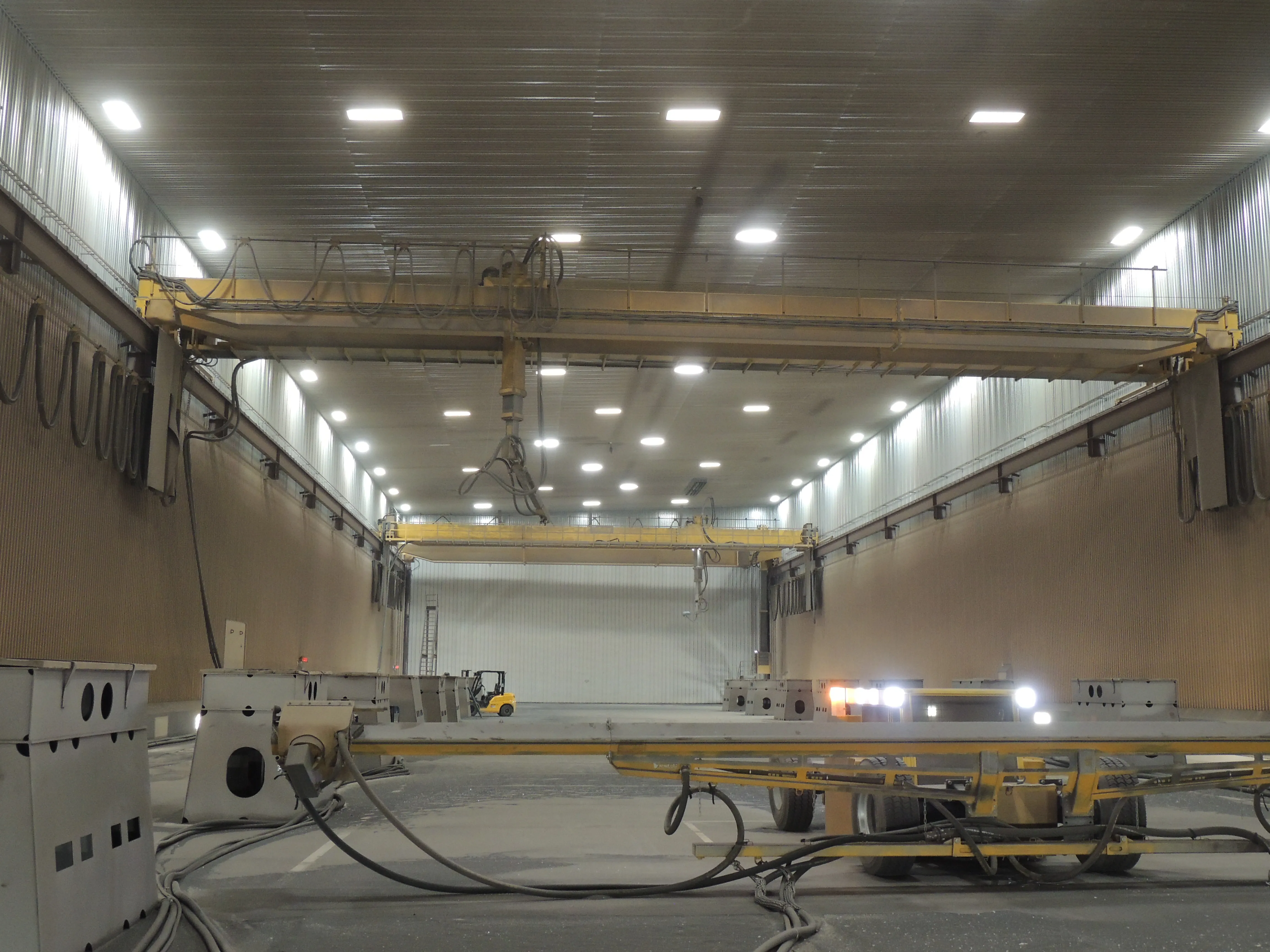
C&C Marine blast and paint building

Industry-Leading Technology

Patented Robotic Blast & Paint Facility

Our in-house designed and patented robotic blast facility operates 3 robots 24/7 — each with the efficiency of 10 men — in a climate-controlled indoor environment.

The C&C Difference

Designed In-House. Patented. Unmatched.

The C&C Marine robotic blast facility is not an off-the-shelf system. It was designed and engineered in-house by our team, built specifically for the demands of marine vessel surface preparation and coating. The system is patented — a testament to its unique approach and effectiveness.

At the core of the facility are 3 robotic blasting units, each capable of matching the output of 10 skilled manual blasters. Combined, they deliver the equivalent production of 30 men — operating with consistency and precision that manual labor cannot replicate.

The facility operates 24/7. Unlike human crews, the robots do not fatigue, do not require shift changes, and maintain the same blast parameters from the first hour to the last. This continuous operation dramatically compresses blasting and painting schedules.

Because the entire facility is indoors and climate-controlled, work is never interrupted by rain, wind, humidity spikes, or dew point violations. Temperature and humidity are maintained within optimal ranges for both blasting and coating application, eliminating the environmental variability that degrades coating quality in outdoor operations.
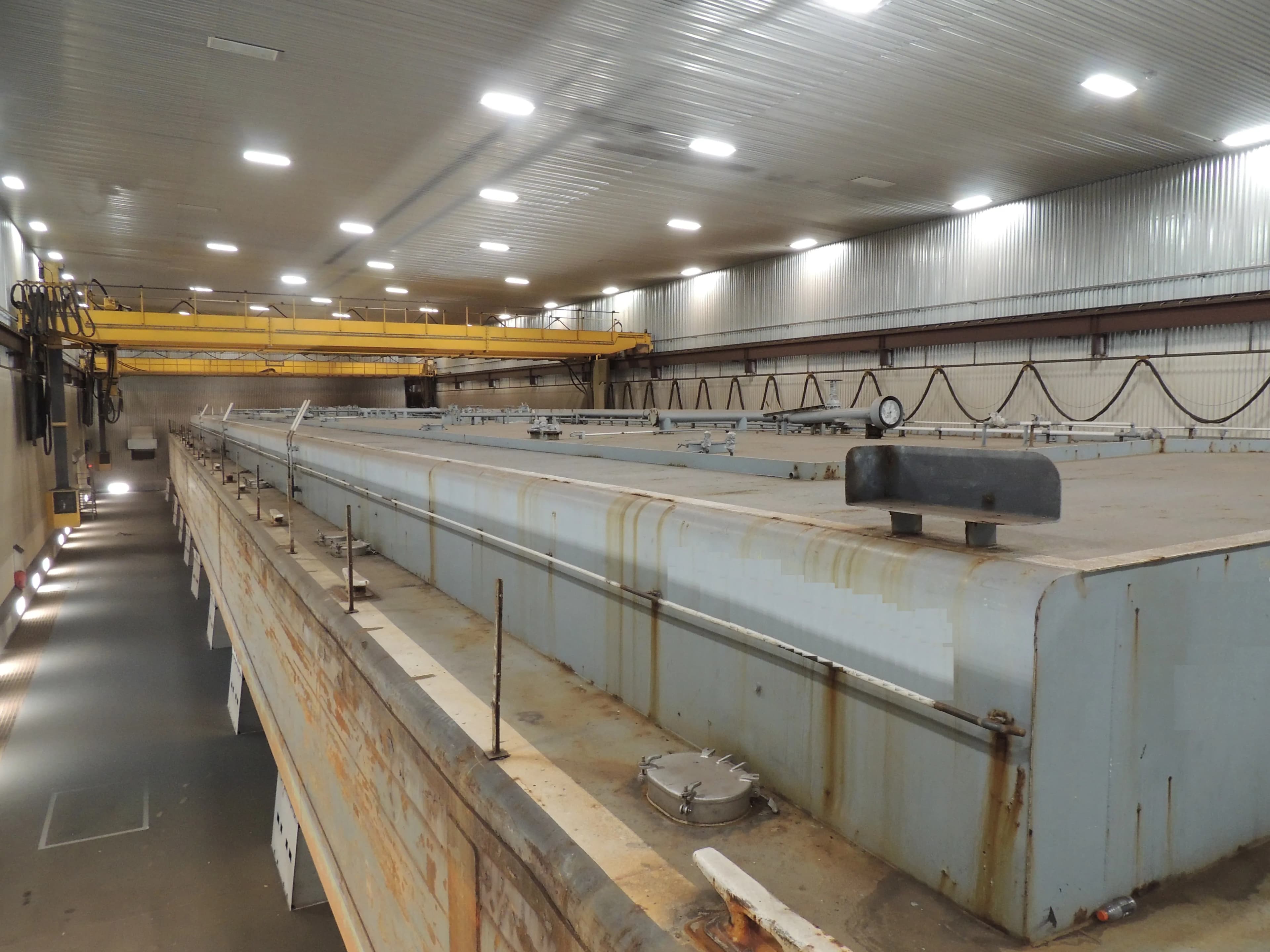
C&C Marine blast and paint building
PATENTED TECHNOLOGY
3
Robots
30
Man Equivalent
24/7
Operation

Our Process

From Bare Steel to Final Coat

Every vessel that enters our blast facility goes through a rigorous, multi-stage process engineered for maximum coating performance and longevity.

1

Surface Preparation

Our patented robotic blast system removes all existing coatings, rust, mill scale, and contaminants down to bare steel. The 3 robots work in coordinated patterns to achieve uniform near-white or white metal blast profiles (SSPC-SP10/NACE No. 2 or SSPC-SP5/NACE No. 1) across the entire surface. Robotic precision ensures consistent anchor profiles that maximize coating adhesion.

2

Primer Application

Immediately after blasting, while still in the controlled environment, primer coats are applied to the freshly prepared steel. The climate-controlled indoor facility prevents flash rusting that occurs in outdoor operations, ensuring the primer bonds directly to clean, dry steel. Inorganic zinc or epoxy primers are applied per specification.

3

Intermediate Coats

Intermediate coating layers — typically high-build epoxy systems — are applied to build the required dry film thickness (DFT). Each coat is allowed to cure within the temperature and humidity-controlled environment, ensuring proper inter-coat adhesion and film formation. DFT measurements are taken at each stage to verify compliance.

4

Topcoat Application

Final topcoat systems — polyurethane, epoxy, or anti-fouling coatings depending on the specification — are applied in the controlled environment to achieve uniform color, gloss, and film thickness. The absence of wind-borne contaminants, insects, and humidity fluctuations produces a finish quality that outdoor blasting and painting operations cannot match.

5

Inspection & Quality Assurance

Every coated surface undergoes rigorous inspection including dry film thickness (DFT) measurement, adhesion testing (ASTM D3359), holiday detection for immersion coatings, and visual inspection per SSPC-PA standards. Detailed inspection reports document compliance at every stage, providing owners and classification societies with complete quality records.

Robotic Advantages

Why Robotic Blasting Wins

Our patented robotic system delivers measurable advantages over traditional manual blasting in every category that matters: speed, quality, cost, and safety.

30xWorker Equivalent

Efficiency of 30 Workers

Our 3 patented robots each match the output of 10 skilled blasters, delivering the equivalent of a 30-person blasting crew operating with precision and consistency that manual labor cannot achieve.

24/7Continuous Operation

24-Hour Operation

The robotic system runs 24/7. Robots do not take breaks, require shift changes, or suffer from fatigue — delivering continuous, consistent output around the clock.

100%Profile Consistency

Consistent Quality

Robotic blasting eliminates the variability inherent in manual blasting. Every square inch receives the same blast angle, distance, media flow, and exposure time, producing uniform anchor profiles across the entire surface.

40%+Waste Reduction

Reduced Abrasive Waste

Precise robotic control of blast media delivery reduces abrasive consumption by minimizing overspray, rebound waste, and unnecessary blasting. The enclosed facility recycles and reclaims spent abrasive media.

0Weather Delays

Zero Weather Delays

Indoor operation means blasting and painting are never delayed by rain, wind, dew point, or temperature. This eliminates the most common cause of schedule slippage in traditional blasting and painting operations.

3xSafer Than Manual

Safer Working Environment

Robotic blasting removes workers from the hazardous blast environment, dramatically reducing exposure to airborne abrasive media, noise, and ergonomic strain from manual blasting.

Head-to-Head

Robotic vs. Traditional Blasting

See how our patented robotic blast facility compares to traditional manual blasting operations across every critical performance metric.

Feature
Traditional Blasting
C&C Robotic System
Environment
Outdoor, exposed to weather. Work stops for rain, high humidity, and dew point violations.
Indoor, climate-controlled. Blasting and painting continue regardless of weather conditions.
Workforce
Requires 20-30+ skilled blasters per shift. Quality varies by individual skill and fatigue.
3 robots with the efficiency of 30 men. Consistent quality every hour of every shift.
Operating Hours
Daylight hours only, single or double shift. Lost time for setup and cleanup.
24/7 continuous operation with minimal downtime.
Surface Quality
Varies by operator skill, fatigue, and environmental conditions at time of blasting.
Uniform anchor profile and cleanliness across 100% of the surface, every time.
Schedule Impact
Weather delays, crew availability, and rework add weeks to the blasting schedule.
Predictable throughput enables accurate scheduling and eliminates weather delays entirely.
Coating Performance
Flash rust, contamination, and inconsistent profiles reduce coating adhesion and lifespan.
Clean, dry, consistent profiles maximize coating adhesion, extending service life.

Quality Standards

Industry-Leading Compliance

Our blast and paint operations meet or exceed all major industry standards for surface preparation and protective coatings.

SSPC-SP5 / NACE No. 1

White Metal Blast Cleaning — removal of all visible rust, mill scale, paint, and foreign matter.

SSPC-SP10 / NACE No. 2

Near-White Metal Blast Cleaning — removal of nearly all rust, mill scale, and coatings.

SSPC-PA 2

Measurement of Dry Coating Thickness with Magnetic Gauges — standard for DFT verification.

ASTM D3359

Standard Test Methods for Rating Adhesion by Tape Test — coating adhesion verification.

SSPC-VIS 1

Visual standard for abrasive blast cleaned steel — photographic reference guide.

IMO PSPC

Performance Standard for Protective Coatings — compliance for ballast tank and void space coatings.

Comprehensive Quality Documentation

Every blast and paint job receives complete documentation including surface preparation records, environmental condition logs, coating application records, DFT measurements, adhesion test results, and inspection reports. This documentation package satisfies requirements from ABS, DNV, Lloyd's, USCG, and all major classification societies.

Superior Blast & Paint Results, Guaranteed

Whether you need a full new-build coating system or recoating during a repair, our patented robotic facility delivers faster turnaround, higher quality, and lower cost than traditional blasting operations.